
How Addiction Impacts Families, Marriages, and Entire Departments.
Alcohol has long been embedded in first responder culture. From “choir practice” after shifts to bonding at happy hour, drinking can feel like part of the job. But for many officers, firefighters, and their spouses, what starts as social connection can quietly become a coping mechanism for trauma, stress, and the constant adrenaline rush of the job. When alcohol moves from the sidelines to center stage, the impact ripples far beyond the individual. It affects families, marriages, and entire departments.
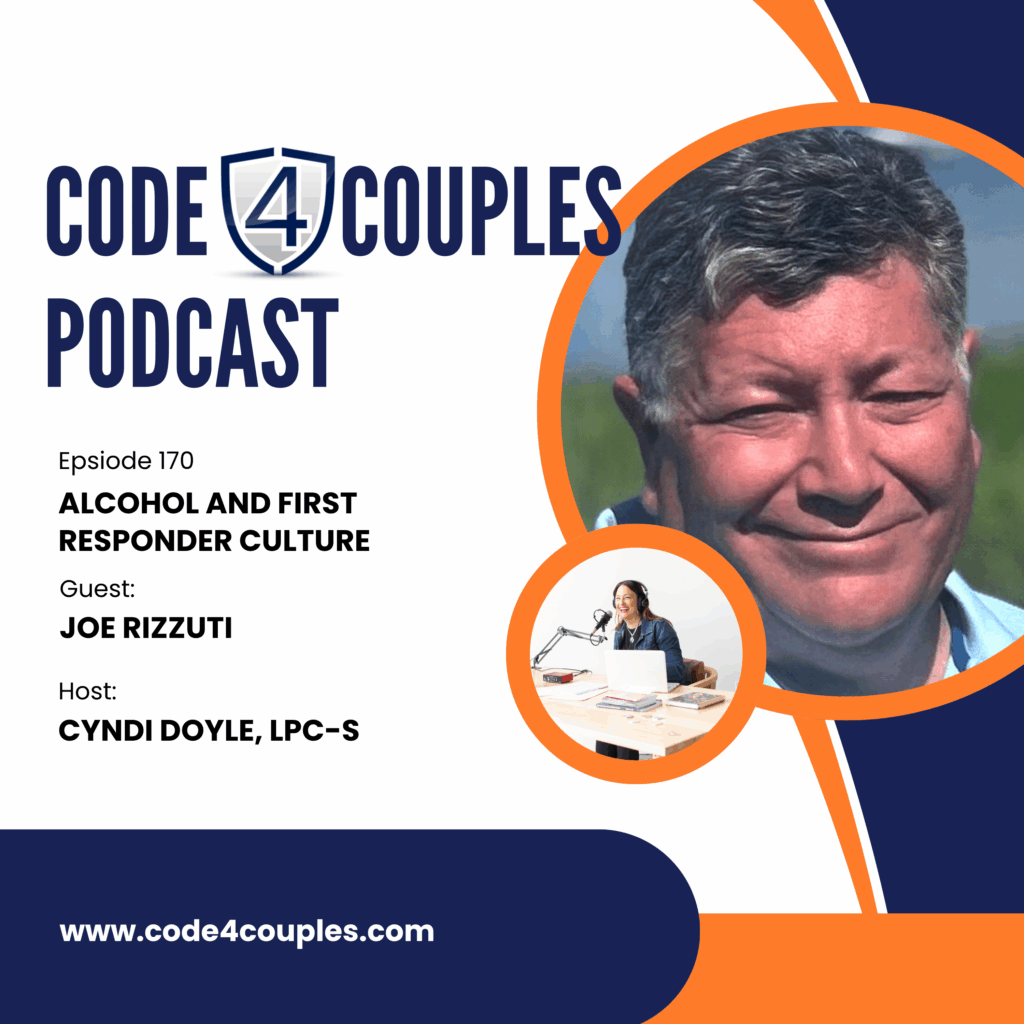
Joe Rizzuti, retired police officer and founder of First Responder Wellness of Merrimack Valley, shared that alcohol was once deeply tied to his identity. He admitted, “If alcohol came to the table today, it would not be legal. We know the damage it does.” Joe has now been in recovery for over 13 years, and his story reflects a growing recognition that alcohol misuse in law enforcement is more than a personal issue; it’s a cultural one.
Why Substance Use Becomes a Problem
First responders live with chronic exposure to trauma, danger, and unpredictability. Those experiences change the brain and body. The same adrenaline and dopamine surges that come from chasing calls can leave officers searching for ways to replicate the high or numb the lows.
Alcohol is accepted as a way for people to unwind after a difficult day and that is not different for first responders. It’s seen as normal to grab a drink with coworkers or to numb the weight of the day with alcohol at home.
The danger for first responders isn’t just heavy drinking. Even moderate drinking can become risky when used to avoid emotions, silence trauma, or cope with stress. Over time, tolerance builds, and one drink after a tough shift turns into several. As Joe explained, “The job itself is addicting and when we don’t have the tools or education to process trauma, alcohol becomes the substitute.”
For spouses, the signs may appear slowly: more time spent drinking, less engagement with family, irritability, secrecy, or abandoning hobbies. These subtle changes often mark the point where alcohol is no longer a casual choice but a silent partner in the relationship.
How to Address Alcohol Misuse in Law Enforcement Families
Recognizing the problem is the first step. The question isn’t always “Am I an alcoholic?” but rather “Why am I drinking?” and “What would my life look like without alcohol in it?” Joe calls this the “mirror question.” If the answer reveals underlying pain, trauma, or disconnection, it’s time to make a change.
For officers and spouses alike, here are steps to consider:
1. Start with Compassionate Conversations
Blunt accusations rarely help. Instead, express concern with love: “I’ve noticed you’re drinking more, and I’m worried about you.” This opens the door without shame.
2. Recognize Signs of Alcohol Misuse
Look for increased drinking, mood changes, withdrawing from family, or relying on alcohol after stressful calls. For families, denial is common, but observation matters.
3. Connect with Culturally Competent Resources
Not every counselor understands the unique challenges of a first responder’s life. Seek vetted professionals who specialize in police officer mental health and substance use.
4. Encourage Peer and Professional Support
Peer support teams, recovery programs, and confidential wellness consultations can break the isolation and reduce stigma.
5. Remember Recovery is Possible
Joe’s story is proof: with the right help, first responders can find hope, healing, and healthier coping strategies. It’s not about weakness, it’s about survival.
Alcohol may be ingrained in first responder culture, but it doesn’t have to define your family’s story.
For more on emotional health and communication in law enforcement relationships, visit Code4Couples.com or check out Hold the Line: The Essential Guide to Protecting Your Law Enforcement Relationship.