
The Silent Threat Officers and Families Can’t Ignore
Law Enforcement Heart Disease: A Hidden Epidemic
Research has shown that law enforcement officers live, on average, 20 years less than civilians. The two leading causes of death are suicide and heart disease. What makes cardiac issues particularly alarming is the age at which they strike. In the civilian population, the average heart attack happens at 65. For officers, it’s closer to 46, and that number keeps dropping.
Studies show that nearly 71% of officers who died before the average civilian life expectancy died from cardiac causes. That means the majority of preventable deaths in law enforcement are not line-of-duty incidents, but hidden heart disease.
Why Police Officers Face Higher Cardiac Risk
The job itself accelerates cardiovascular wear and tear. Shift work, lack of sleep, high stress, reliance on caffeine and energy drinks, and coping with alcohol or tobacco all create the perfect storm for vascular damage. Add in that 46–48% of law enforcement officers are obese, and as many as 38% are undiagnosed diabetics, and the problem grows.
Many officers who appear fit, lean, active, and disciplined aren’t necessarily safe either! They are silently developing plaque that traditional medical screenings miss. Standard risk scoring systems like the Framingham Risk Score don’t account for the unique stress, shift work, and lifestyle factors that law enforcement faces. As a result, many officers walk out of their doctor’s office with a “clean bill of health,” only to face a “widowmaker” heart attack years earlier than expected.
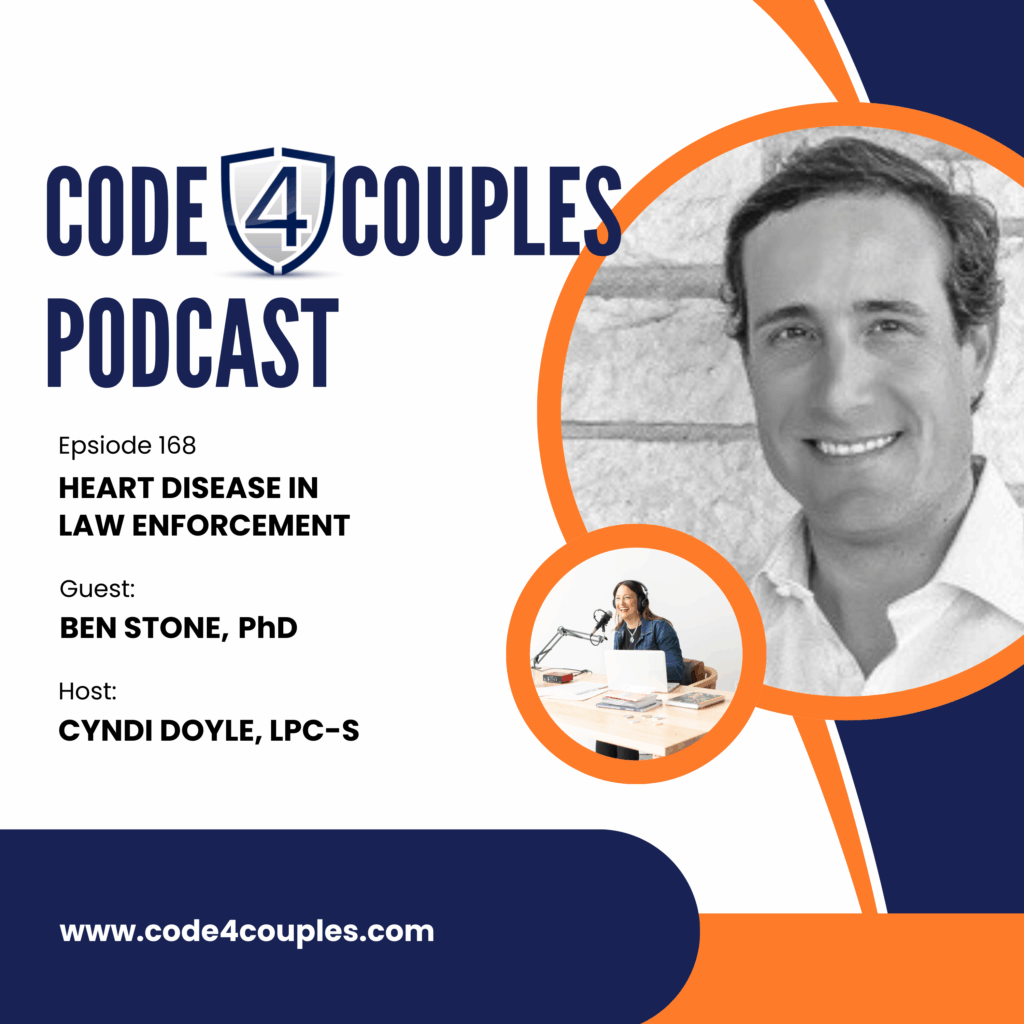
Dr. Ben Stone, co-founder of Sigma Tactical Wellness, explained that, during a study that they conducted, nearly 92% of officers who scored “low risk” on traditional screening actually showed dangerous inflammatory markers when tested with advanced methods. That number compared to only 24% of civilians. Translation: what works for civilians doesn’t work for cops and first responders need further testing.
Even officers who appear healthy aren’t immune. Biomarkers like oxidized LDL and Lp-PLA2 reveal hidden inflammation that quietly damages the “Teflon lining” of arteries, setting the stage for sudden heart attacks. Without specialized screening, these warning signs go completely unnoticed. ents model openness, kids learn resilience.
How Officers and Families Can Protect Heart Health
The good news is that early detection saves lives. Programs like those developed by Sigma Tactical Wellness utilize advanced diagnostics, including inflammatory biomarker testing, carotid ultrasound, and specialized EKGs, to identify risk factors that standard checkups often miss.
For families, the takeaway is clear:
- Don’t rely on traditional screenings alone. Officers can look fit and still be at high risk.
- Encourage advanced cardiac testing. Biomarkers like Lp-PLA2 can reveal a 20–40% chance of a heart attack in the next four years.
- Address controllable factors. Better sleep, reduced alcohol or tobacco use, weight management, and improved nutrition lower risk.
- Leverage resources. Grants, insurance programs, and agency partnerships are making screenings more accessible.
Change is possible. In many cases, something as simple as a $5 statin medication can dramatically reduce inflammation and heal damaged arterial tissue, preventing plaque from ever forming. There are also supplements that have been found to reduce risk factors.
Officers, agencies, and families must treat heart health like a survival skill. Your officer’s safety doesn’t end when the shift does. Protecting their heart might be the most crucial backup they ever get. hoose how those realities shape their children. By being emotionally available, having open conversations, and prioritizing connection over perfection, law enforcement parents can raise kids who are not only resilient but also deeply secure in knowing they are loved and understood.
For more on emotional health and communication in law enforcement relationships, visit Code4Couples.com or check out Hold the Line: The Essential Guide to Protecting Your Law Enforcement Relationship.