

The Challenges Women Face Behind The Badge

Women in law enforcement face a unique set of challenges that often go unspoken, misunderstood, or minimized, both inside the department and at home.
Monica Crawford is a former police officer, a law enforcement spouse, the author of Thriving Inside the Thin Blue Line, and the powerhouse behind Five-O Fierce and Fit.
Finding Balance in Law Enforcement Families

When we talk about balance in law enforcement life, it often sounds like a personal issue, something you’re expected to figure out quietly, in between overtime shifts and missed family dinners. The reality is balance isn’t just about time management or stress reduction.
Emotional Safety at Home in Law Enforcement Families

Law enforcement officers are trained to survive chaos. But at home, survival mode is not enough.
Beat The Burnout: Prevention and Recovery Solutions for First Responders
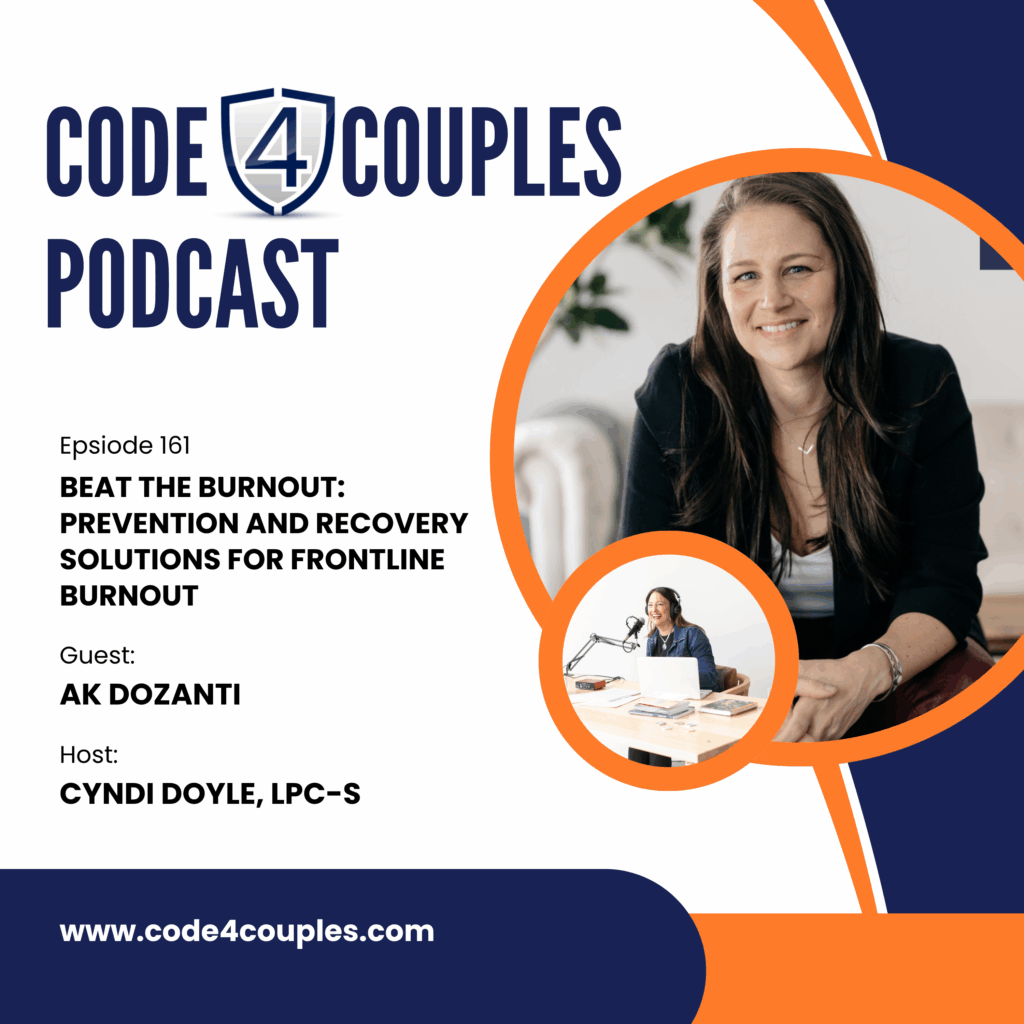
When AK Dozanti started her career in law enforcement at 19 years old, she never imagined that the job she loved would nearly destroy her. Like so many officers, she embodied the mission, working out twice a day, meal prepping, and chasing excellence. By the time she was awarded Officer of the Year in 2015, she was already unraveling. Burnout, depression, PTSD, adrenal fatigue, and suicidal ideation were silently creeping in. Her story isn’t just about what took her out of the job, it’s about how she gave herself permission to choose something different and how that choice saved her life.
Mindset Matters in Law Enforcement

When Richard Crimi’s 14-year law enforcement career came to an unexpected halt due to a debilitating back injury, he didn’t just recover physically, he rebuilt his mindset from the ground up. Now, through his work with first responders, federal agencies, and military personnel, Richard helps others harness the power of the mind to improve performance, enhance resilience, and strengthen their relationships.
And yes, mindset matters in marriage too.
Top 10 Truths Every Law Enforcement Spouse Should Know

Whether you’re brand new to this life or a seasoned spouse who’s mastered holidays solo, there’s a learning curve no one warns you about. So, I pulled together a list, rooted in the lived experience of law enforcement couples and backed by years of working with spouses and officers, that I believe every law enforcement spouse should know. Because understanding the why behind the struggles? That’s the first step to building a stronger, more resilient law enforcement relationship.
The Wounded Blue

When Lieutenant Randy Sutton first put on the badge in 1976, policing looked a lot different. Officers could do their jobs without the constant scrutiny of a body camera or the looming fear of public backlash. They were respected. Supported. And even though the job was always dangerous, the culture surrounding officers, both inside and outside the department, wasn’t laced with suspicion and hostility.
Fast forward to today, and that landscape has shifted dramatically. And for law enforcement families, the weight of that shift is deeply personal.
Sleep Hygiene for First Responders

Sleep can feel like a luxury in law enforcement. Between shift work, court schedules, overtime, and home responsibilities, rest often gets pushed to the bottom of the priority list.
But here’s the truth that people don’t frequently discuss. Your sleep (or lack of it) impacts EVERYTHING: your mood, your health, your safety, your marriage, and even how long you’ll be around to enjoy retirement.
Breaking Down The Armor and The Mental Health Stigma in Law Enforcement
Law enforcement teaches officers how to handle chaos, make quick decisions, and keep emotions in check to get the job done. But what happens when that same skill set that keeps officers safe on duty starts to create distance at home?
For Zachary Saenz, that emotional armor was a survival tool, something he didn’t even realize he was putting on. It helped him push through the hard calls, the trauma, and the stress of being a police officer. But over time, the same armor that protected him from the job started shutting out the person he loved most.
Undercover Junkie: When the Job Becomes the Rush

When Brent Cartwright became an undercover narcotics officer, he told his wife, Wesley, that it would be safer.
“Bad guys don’t want trouble. They just want your money and to get out of there,” he reassured her. After years of unpredictable patrol work, undercover assignments seemed like a shift toward stability, more controlled environments, fewer calls involving guns. Wesley trusted him. She believed he was making the best decision for his career and their family.
But what Brent didn’t realize at the time was that he wasn’t just doing the job, he was becoming it